
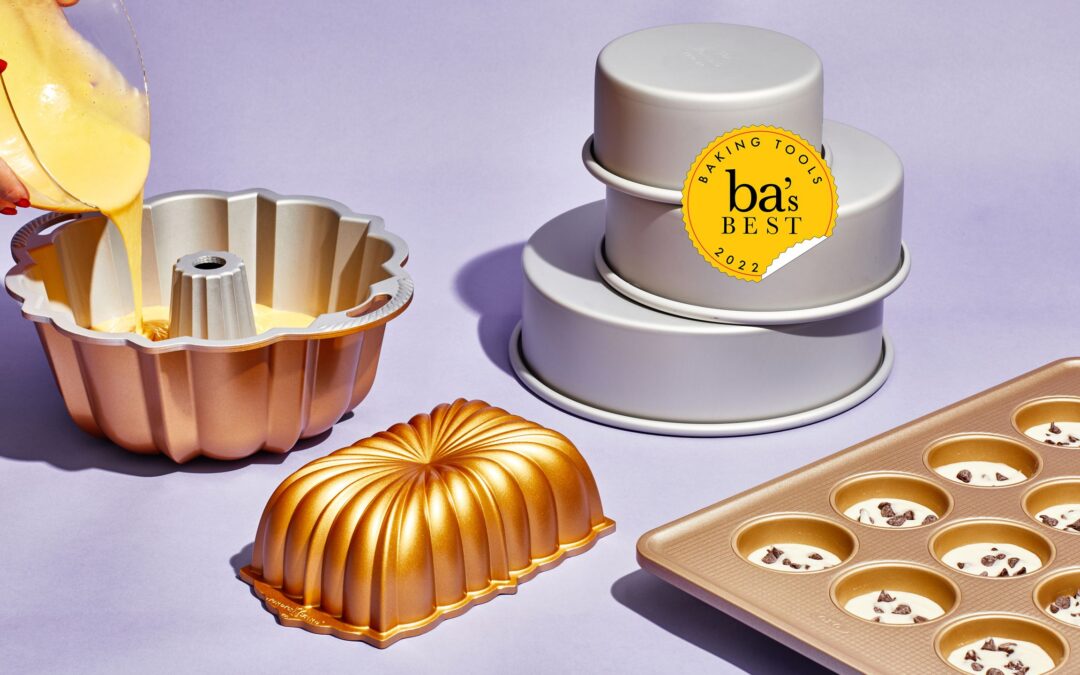
Baking is both an art and a science, requiring precision, the right ingredients, and proper tools. One of the most important tools in any baker’s kitchen is the baking pan. Whether you’re baking cakes, cookies, bread, or pastries, choosing the right baking pan can significantly impact the final results. In this comprehensive guide, we will explore different types of baking pans, their materials, uses, and how to care for them to ensure longevity.
1. What is a Baking Pan?
A baking pan is a kitchen tool designed to hold batters or dough while they bake in the oven. These pans come in a variety of shapes, sizes, and materials, each suited for different types of baked goods. The right baking pan not only ensures even cooking but also affects texture, browning, and overall presentation.
2. Types of Baking Pans
There are numerous types of baking pans available, each with specific uses. Below are the most common types:
2.1 Cake Pans
Cake pans are designed for baking cakes and come in various shapes and sizes:
- Round Cake Pans: Ideal for layered cakes, typically available in 6-inch, 8-inch, and 9-inch sizes.
- Square Cake Pans: Commonly used for brownies and single-layer cakes.
- Rectangular Cake Pans: Often used for sheet cakes and bar desserts.
- Bundt Pans: Feature intricate designs and are used for Bundt cakes.
- Springform Pans: Have removable sides, making them perfect for cheesecakes and delicate cakes.
2.2 Baking Sheets and Cookie Sheets
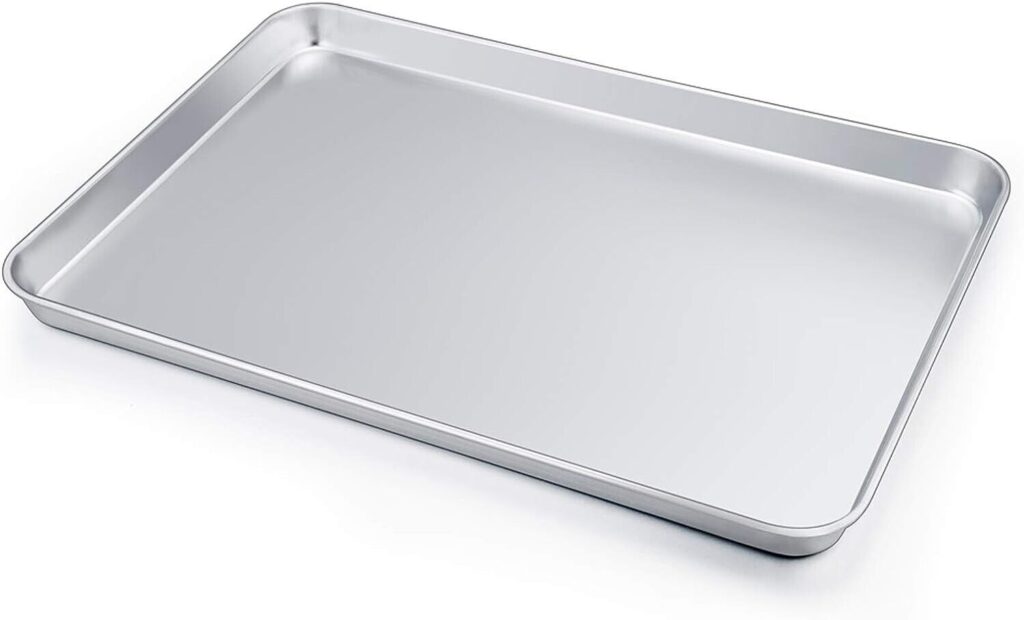
- Half-Sheet Pans: Standard for cookies, roasted vegetables, and sheet cakes.
- Jelly Roll Pans: Slightly smaller than standard baking sheets, used for Swiss rolls and thin cakes.
- Rimmed vs. Rimless: Rimmed sheets help contain liquids, while rimless sheets are ideal for crispier cookies.
2.3 Muffin and Cupcake Pans
These pans have multiple wells to bake muffins or cupcakes, available in mini, standard, and jumbo sizes.
2.4 Loaf Pans
Loaf pans are rectangular and used for baking bread and pound cakes. Common sizes include 8.5×4.5 inches and 9×5 inches.
2.5 Pie and Tart Pans
- Pie Pans: Round with sloped edges, used for fruit pies, custard pies, and quiches.
- Tart Pans: Usually have removable bottoms for easy serving.
2.6 Specialty Baking Pans
- Madeleine Pans: Used for French madeleines.
- Donut Pans: Allow you to bake rather than fry donuts.
- Mini Cake Pans: Ideal for small, individual cakes or desserts.
3. Baking Pan Materials and Their Effects
The material of a baking pan plays a crucial role in heat distribution, baking time, and browning. Below are the most common materials used:
3.1 Aluminum
- Pros: Lightweight, heats evenly, affordable.
- Cons: Can react with acidic ingredients, may require parchment lining.
3.2 Stainless Steel
- Pros: Durable, resistant to rust and warping.
- Cons: Poor heat conductivity, leading to uneven baking.
3.3 Non-Stick Coated
- Pros: Easy release of baked goods, minimal greasing required.
- Cons: Coating can wear off over time, sensitive to scratching.
3.4 Silicone
- Pros: Flexible, easy to store, non-stick.
- Cons: Poor heat conductivity, can lead to underbaking.
3.5 Glass
- Pros: Retains heat well, allows visibility.
- Cons: Prone to shattering due to sudden temperature changes.
3.6 Cast Iron
- Pros: Excellent heat retention, versatile for both baking and stovetop cooking.
- Cons: Heavy, requires seasoning, can rust if not maintained.
4. Choosing the Right Baking Pan for Your Needs
Selecting the right baking pan depends on what you’re baking, the material preferences, and storage considerations. Here are a few tips:
- For cookies: Use aluminum or stainless steel baking sheets for even browning.
- For cakes: Non-stick round or springform pans work best.
- For bread: Glass or cast iron loaf pans provide even baking.
- For pies: Glass or ceramic pie dishes retain heat for flaky crusts.
5. How to Care for Your Baking Pans
Proper care extends the life of your baking pans and ensures optimal performance. Follow these tips:
- Cleaning: Hand wash with mild soap and a soft sponge to prevent scratches.
- Avoid Abrasives: Do not use steel wool or harsh scouring pads.
- Storage: Stack carefully to avoid dents or scratches; consider placing parchment paper between stacked pans.
- Prevent Rust: Dry thoroughly before storing, especially for cast iron and steel pans.
- Reseasoning: Cast iron pans should be oiled after washing to maintain their non-stick surface.
6. Conclusion
Baking pans are essential tools that can greatly impact your baking success. By understanding the different types, materials, and care methods, you can ensure your baked goods come out perfectly every time. Investing in high-quality baking pans will not only improve your baking experience but also make your time in the kitchen more enjoyable. Happy baking!
Recent Comments