
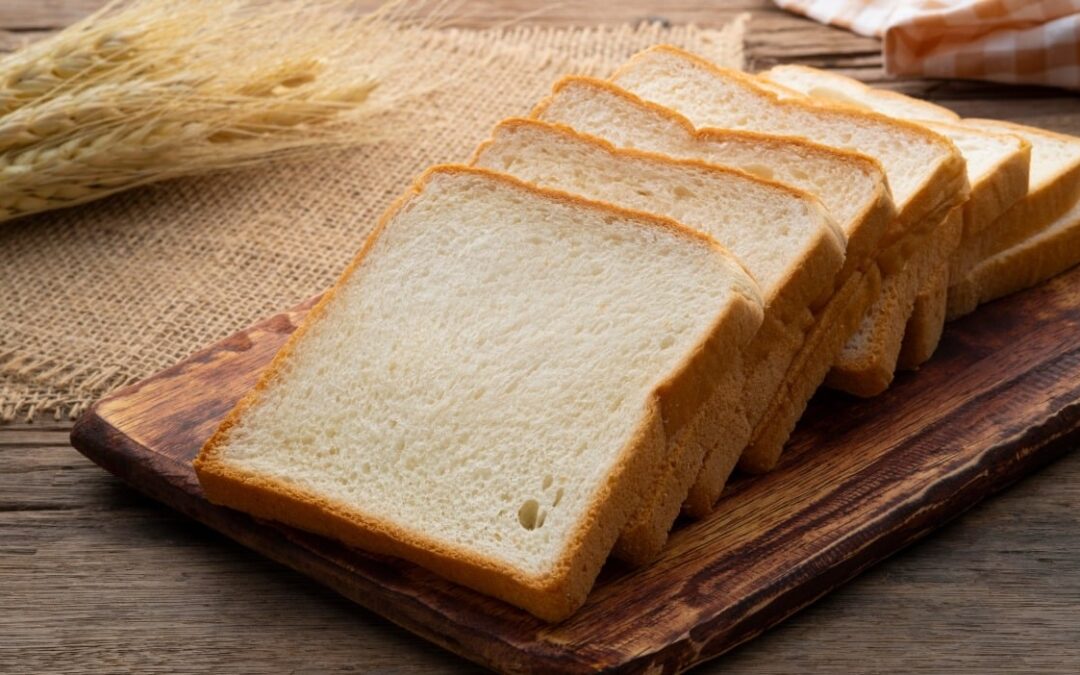
Bread is one of the oldest and most beloved foods in the world. From crusty artisan loaves to soft sandwich bread, the variety is endless. But if you’re a true bread lover, you know that not all bread is created equal. Whether you’re buying from a bakery, a supermarket, or a farmer’s market, there are key factors to consider when choosing the perfect loaf.
In this comprehensive guide, we’ll explore everything you need to know about selecting high-quality bread, from texture and crust to ingredients and freshness. Let’s dive in!
1. Freshness: The Key to Great Bread
The best bread is fresh bread. When buying, always check:
Baking Date
Freshly baked bread always tastes better. Ideally, you want to buy bread that was baked on the same day or within the last 24 hours. Some bakeries bake multiple times a day, so don’t hesitate to ask when the bread was made.
Aroma
One of the easiest ways to check freshness is by smelling the bread. A fresh loaf should have a warm, inviting aroma. If it smells sour (unless it’s sourdough) or stale, it’s past its prime.
Texture When Pressed
Gently press the loaf with your fingers. If it springs back, it’s fresh. If it stays dented, the bread might be old or poorly made.
Storage Conditions
Look at how the bread is stored. Bread that’s exposed to too much air or placed in plastic packaging may lose its freshness faster. Bakeries that store bread properly in paper bags or bread boxes tend to offer fresher products.
2. Crust: Indicator of Bread Quality
The crust of bread is the first thing you see and feel. It should give you clues about the bread’s overall quality.
For Artisan Breads (Sourdough, Baguettes, Ciabatta)
✔ Golden brown and slightly crispy
✔ Crackles slightly when pressed
✔ Not overly thick or tough (unless it’s meant to be rustic)
For Soft Breads (Sandwich Loaves, Brioche)
✔ Thin, tender crust
✔ Slightly glossy surface
✔ Soft and flexible without being too fragile
If the crust is too pale, the bread may be underbaked, leading to a gummy texture inside. If it’s overly dark or burnt, the loaf may be too hard or dry.
3. Crumb: The Interior Matters
The crumb refers to the inside texture of the bread. It can tell you a lot about how well the bread was fermented and baked.
- For airy artisan bread (like sourdough or ciabatta), the crumb should have irregular holes, indicating proper fermentation.
- For sandwich bread, the crumb should be soft, even-textured, and slightly springy.
- For enriched bread (brioche, milk bread), the crumb should be fluffy, light, and buttery.
Dense, gummy, or dry crumbs can be signs of poor fermentation, improper baking temperature, or low-quality ingredients.
4. Ingredients: The Simpler, the Better
Great bread doesn’t need a long list of ingredients. The best loaves are made with:
✔ Flour (wheat, whole grain, rye, etc.)
✔ Water
✔ Yeast or sourdough starter
✔ Salt
Avoid bread with excessive preservatives, artificial flavors, or unnecessary additives. High-quality bread relies on natural fermentation to enhance its taste and texture.
5. Flavor: More Than Just Flour and Water
Even plain bread should have a distinct and enjoyable flavor.
- Sourdough should have a mild tang and deep wheat flavor.
- Whole grain bread should taste nutty and slightly sweet.
- White bread should taste creamy and slightly buttery.
If the bread tastes overly bland, artificial, or too sweet, it may have been mass-produced with too many additives.
6. Shelf Life: Quality Over Longevity
Fresh bread naturally has a shorter shelf life than mass-produced, preservative-filled bread. Here’s a general guide:
- 1-2 days: Baguettes and rustic bread (best eaten fresh!)
- 3-5 days: Sandwich bread
- 5-7 days: Enriched bread like brioche (due to butter and eggs)
How to Store Bread Properly
- Room Temperature: Wrap in a cloth or store in a bread box to keep the crust crispy. Avoid plastic bags, as they make the crust soggy.
- Freezing: If you’re not eating the bread within a few days, slice it and freeze it. Toasting frozen slices brings back their freshness.
- Refrigeration: Not recommended, as it dries out the bread faster.
7. Versatility: Can It Be Used in Different Ways?
A great loaf of bread can be used in multiple ways. Some of the most versatile breads include:
- Sourdough – Ideal for sandwiches, toast, or served with soup.
- Ciabatta – Great for paninis or dipping in olive oil.
- Brioche – Perfect for French toast, burgers, or on its own.
Before buying, think about how you’ll use the bread so you can choose the best type for your needs.
8. Price vs. Quality: Finding the Best Value
While artisan bread may cost more than mass-produced supermarket loaves, it’s often worth the price. Consider:
- Is it handmade with quality ingredients?
- Does it have a distinct flavor and texture?
- Is it fresh and naturally fermented?
Cheap bread may save money, but it often lacks the taste, nutrition, and texture of well-made bread.
Conclusion: Finding Your Perfect Loaf
For true bread lovers, the ideal loaf is fresh, flavorful, and made with high-quality ingredients. Whether you love crusty sourdough, soft sandwich bread, or sweet brioche, choosing good bread means paying attention to freshness, texture, ingredients, and flavor.
Next time you’re at a bakery or grocery store, use these tips to find the perfect loaf. Happy bread hunting! 🍞😊
Recent Comments